
From a first conversation to a packaged, retail-ready collection.
One team, one timeline, one point of contact. The work below is what a typical engagement looks like — most launches take between three and six months from first call to first shipment, depending on design complexity.
We try to be honest about whether eyewear is the right move.
Not every brand should launch eyewear, or rework the eyewear they already have. Some collections won't translate well into frames. Some customer bases won't carry the price point. Some teams aren't ready for the operational lift. We would rather say that early than three months in.
The first conversation is mostly questions — about your brand, your customers, your retail footprint, and what success would look like for you. If it's a fit, we'll say so. If it isn't, we'll say that too.
Six stages, one workflow.
Each stage has a defined output and a clear point of sign-off. You are never wondering what happens next, and never managing more than one team to find out.
-
01
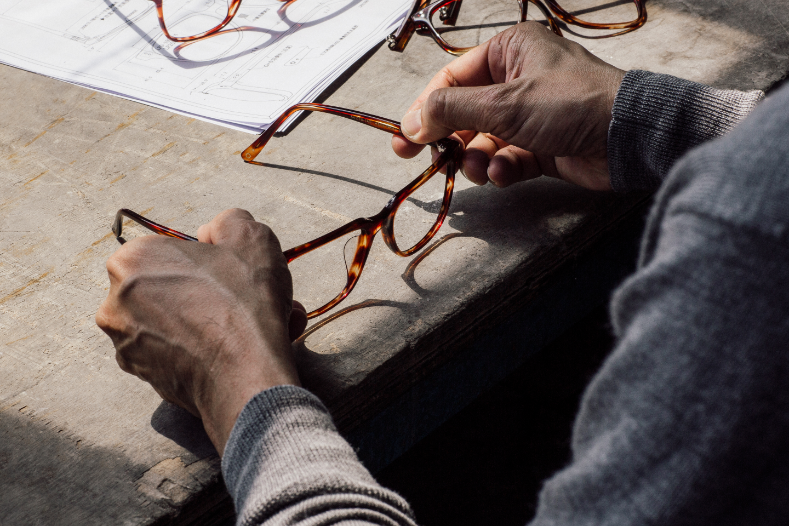
Brand understanding
Weeks 1 — 2 · DiscoveryWe spend time with your existing work — collections, lookbooks, materials, retail spaces, customer profile. The goal is to understand the brand well enough that the eyewear feels like it belongs in the line, rather than like an accessory bolted on to it.
-
02
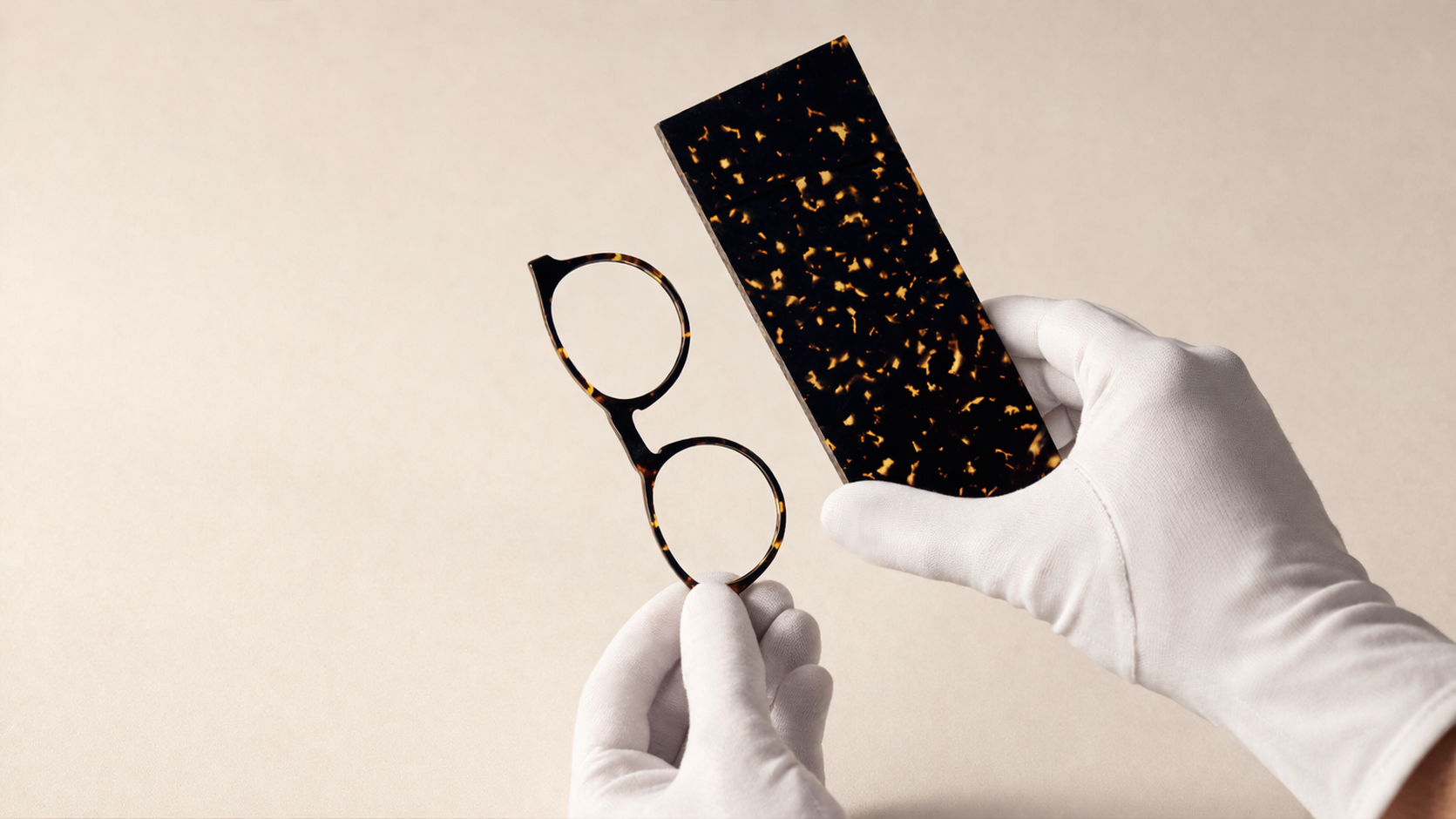
Design direction
Weeks 2 — 4 · ConceptSilhouettes, material palette, colourways and hardware choices. We bring an eyewear lens to your aesthetic — flagging the places where a beautiful idea won't manufacture well, and proposing alternatives that keep the intent intact.
-
03
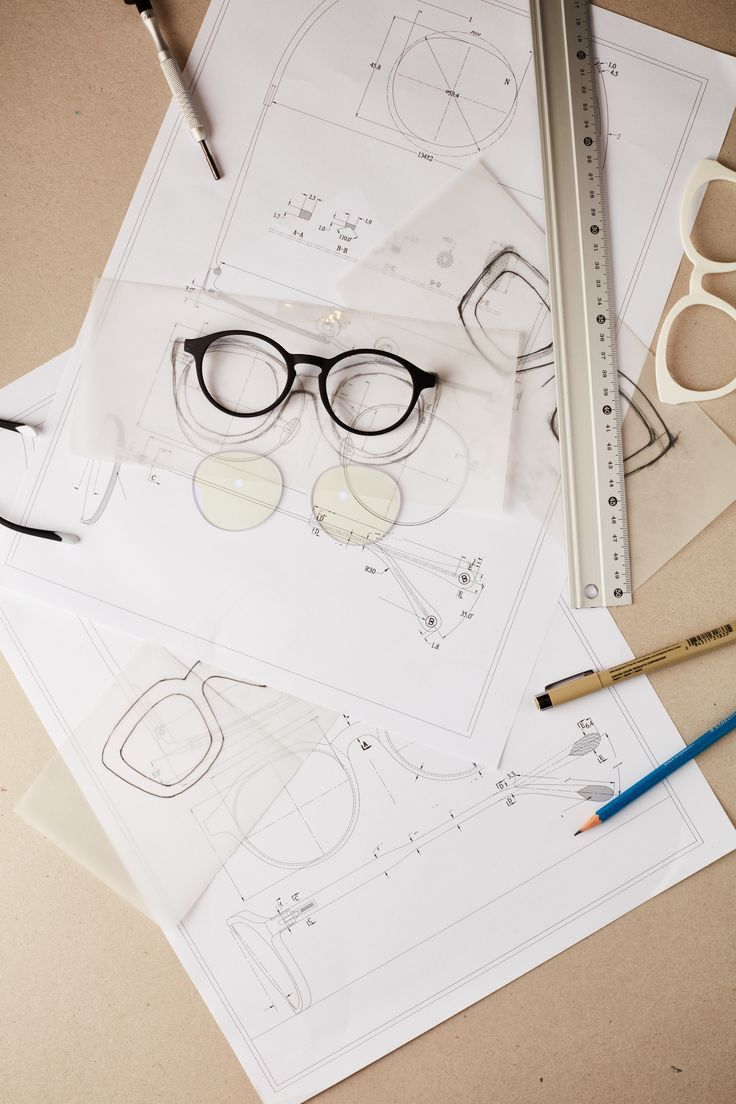
Sampling
Weeks 4 — 12 · PrototypingPhysical prototypes you can hold, wear and test. We iterate on fit, weight, hinge feel, finish and material until each frame is something you would be willing to put your name on. Tooling is only committed once the samples are right.
-
04
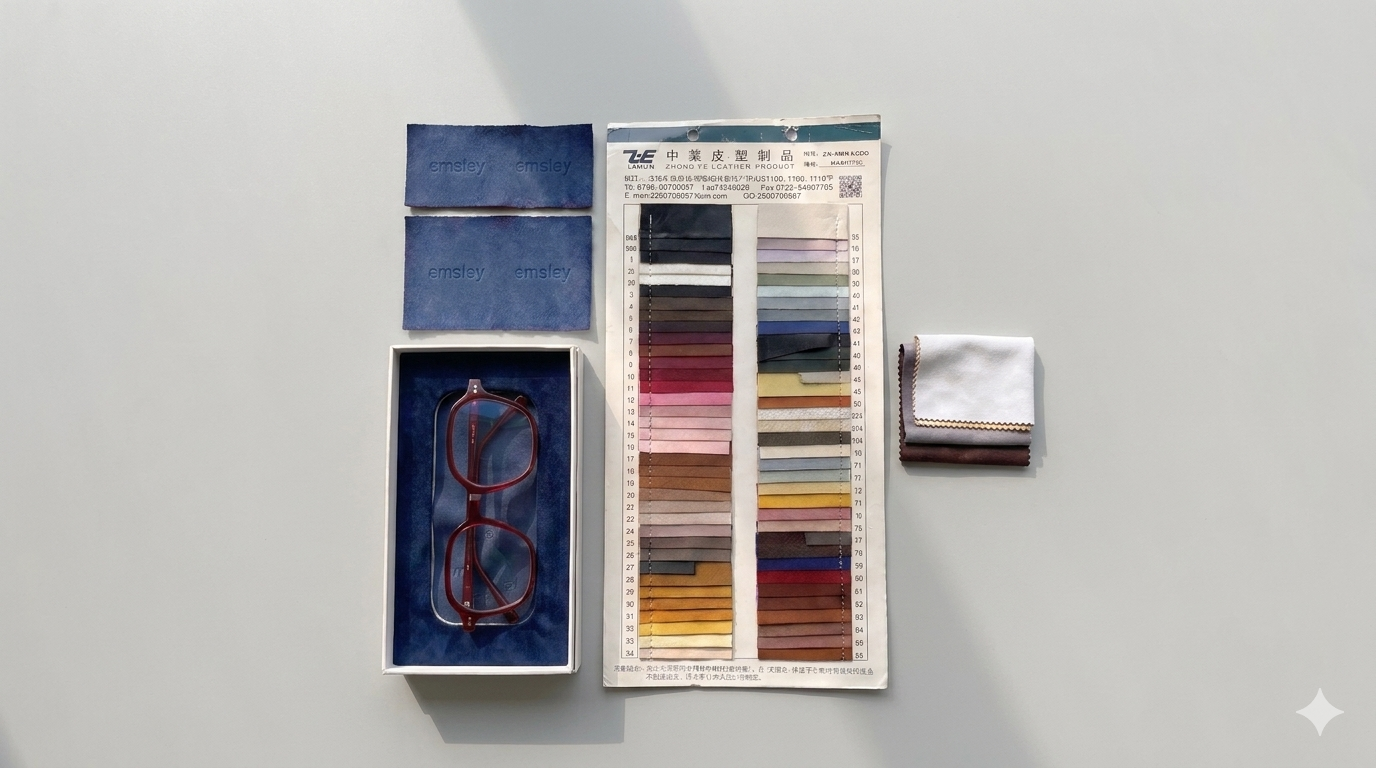
Packaging integration
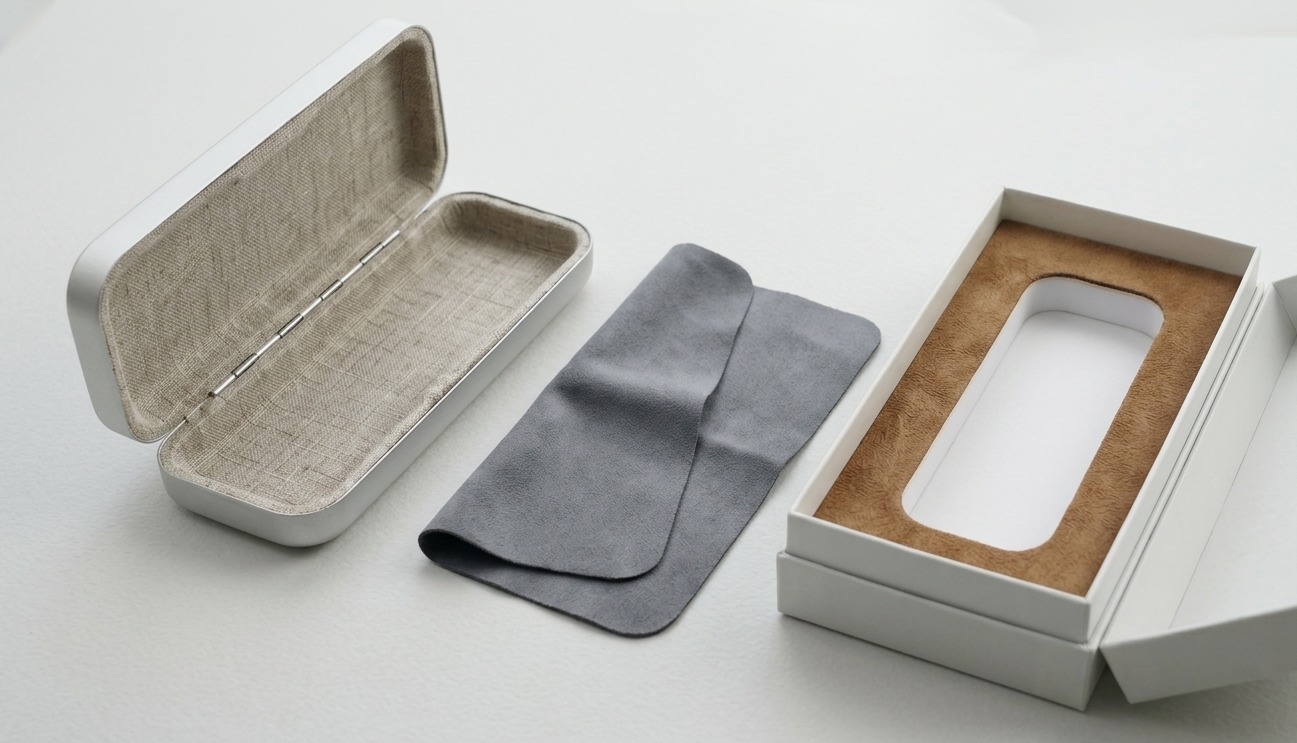
Weeks 6 — 10 · In parallelCase, cloth, sleeve, outer box and insert — sourced and produced in step with the frames. The unboxing is designed alongside the product, so the customer's first interaction with the eyewear is not a generic optical kit dropped into a branded bag.
-
05
Production & QC
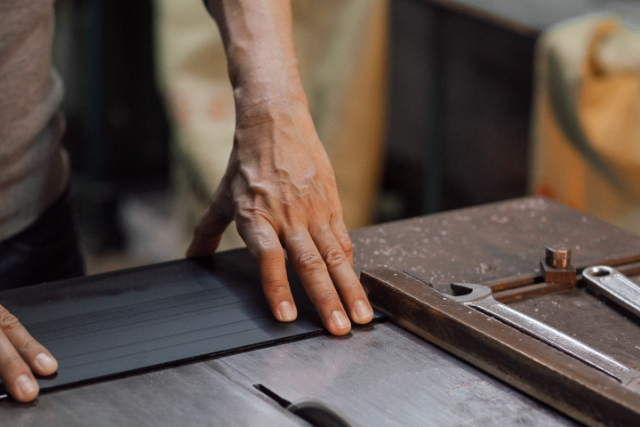
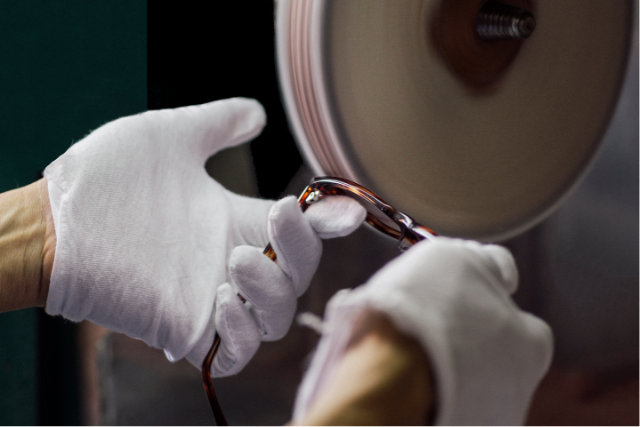
Weeks 12 — 28 · Manufacturing, QCFrames are produced under our oversight and inspected unit by unit. We check alignment, hinge tension, polish, lens fit and finish — and we share what we find. If something fails, it doesn't ship, and we tell you why.
-
06
Logistics & delivery
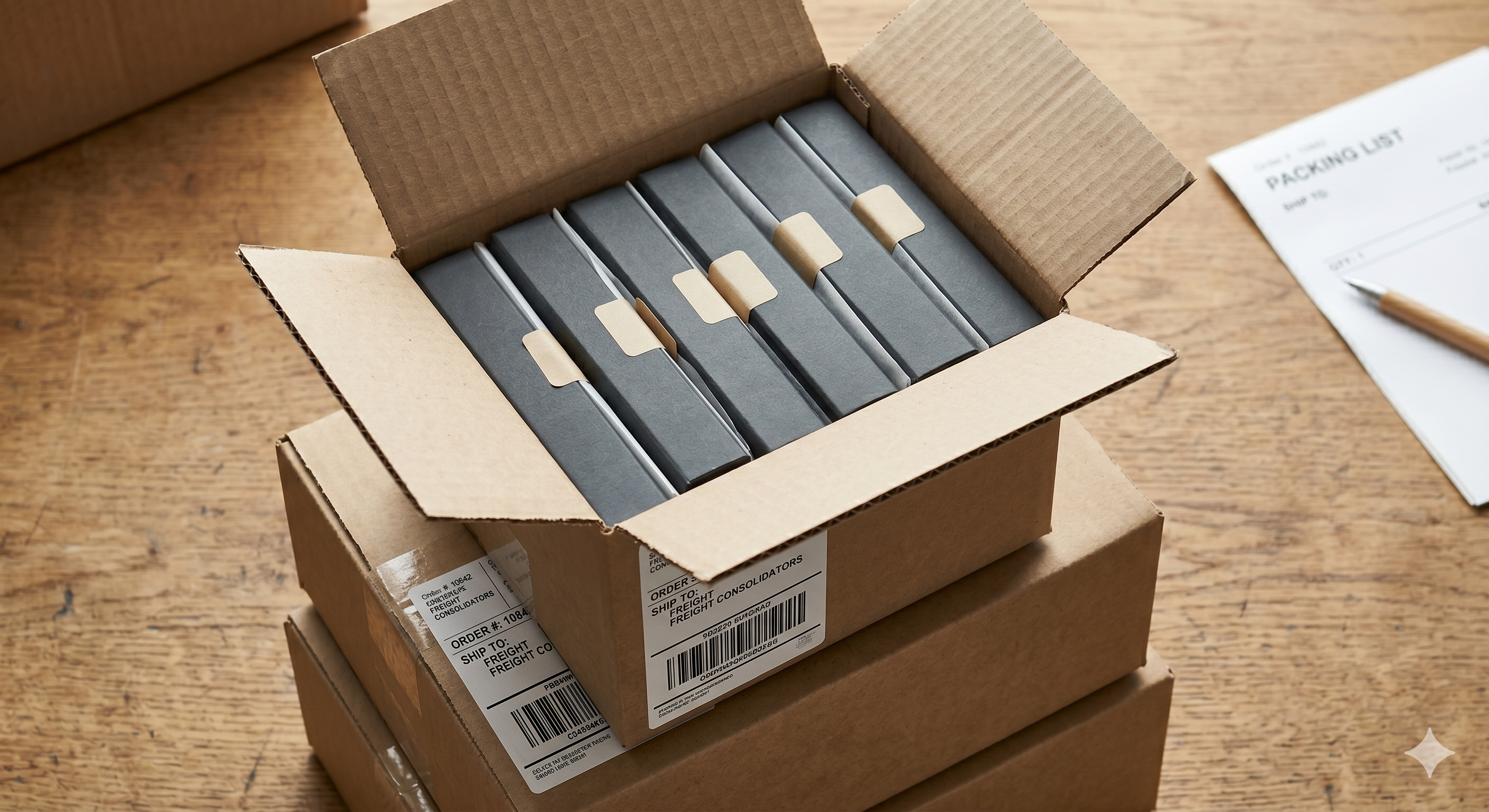
Week 28 onward · FulfilmentPacked, labelled and shipped to your warehouse, retail partners or fulfilment provider. You receive retail-ready product, not work in progress that still needs handling on your end.
The relationship does not end at the first shipment.
We stay involved through re-orders, range extensions, and the inevitable small corrections that come from seeing a product in the hands of real customers. If a hinge is sitting a fraction too tight, or a colour is photographing differently in store, we want to know — and we want to fix it.
Most of the brands we work with come back for a second drop within twelve to eighteen months.
If you're thinking about a first eyewear collection, we would be happy to talk it through.
The first conversation is just that — a conversation. No deck, no pitch, no pressure to commit.